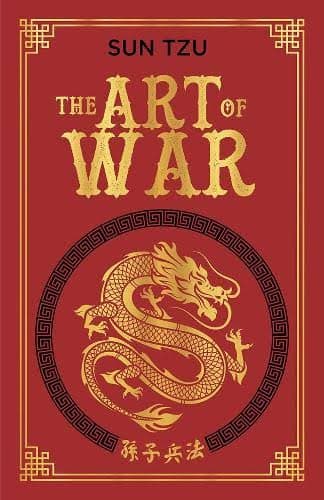
The Art of War
Sun Tzu
read
About position and patience, and not fighting battles you don't need to fight.
The Art of War is around two and a half thousand years old, and it's short: thirteen chapters, most of them only a few pages. It was written as advice for generals, and it's full of instructions about terrain, supplies, spies and when to attack.
The ideas that last are the ones that aren't really about fighting. The best victory is the one you win without a battle at all. Know your enemy and know yourself, and you won't be in danger in a hundred battles. All warfare is based on deception, so appear weak when you're strong and far away when you're close. Pick ground where you can't lose before you even think about winning. A general who is angry or proud makes mistakes an opponent can use.
Because it's so short and so general, people apply it to business and sport, sometimes a bit too eagerly. It works best read as what it is: a book about thinking before you move.
That's the part I use. Chess taught me to think in lines, and this book is the same instinct applied to people. A lot of fights don't need to happen, and the book's advice for those is simple: don't have them.