Selling in the cold
class 8 to 10 one month each Diwali
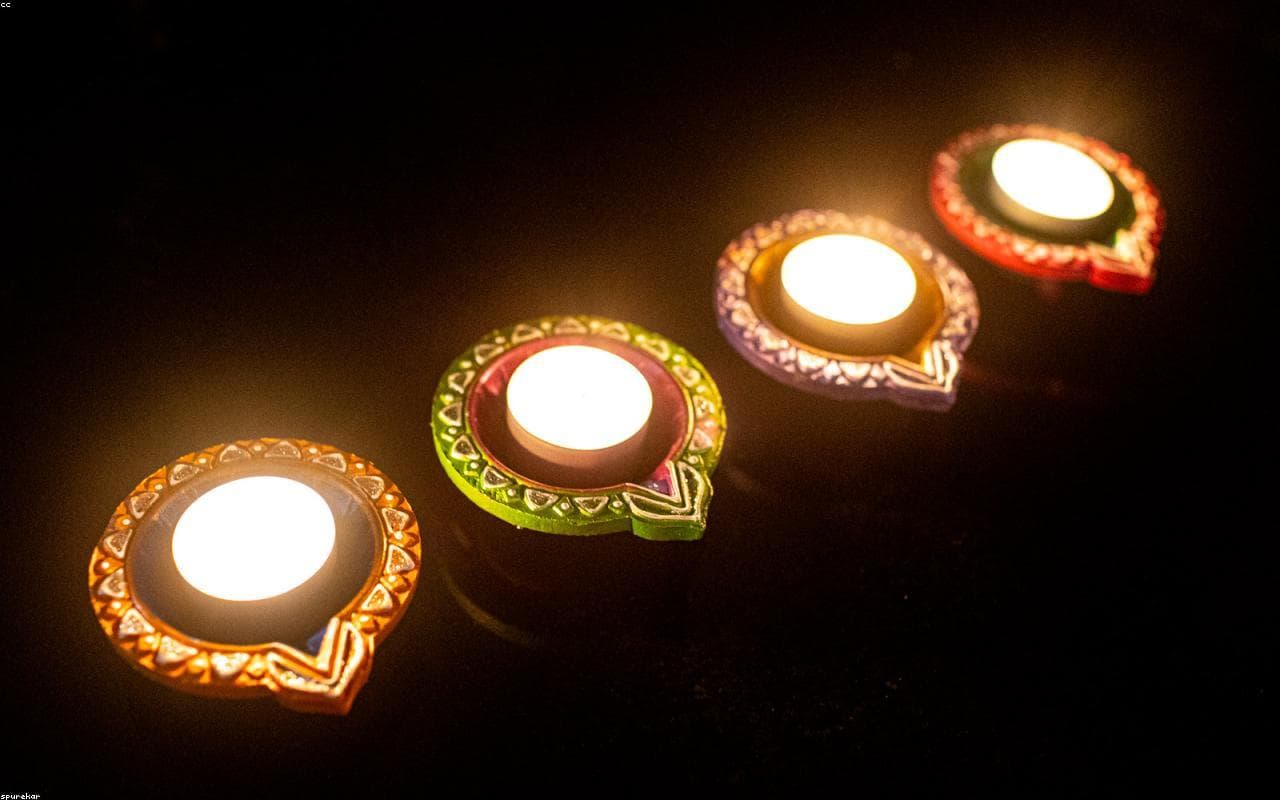
Before any of my work went online, I learned about people on strangers' doorsteps. For a month every Diwali, three years running, I sold diyas and decorative lanterns for a local business, going door to door until the season ended. By class 10 I was also running the marketing for our stall, making the creatives and shooting the ads. But the real lessons were on the doorstep. You walk up to a door, ring the bell, wait with your heart going, and then pitch to a confused adult who only wanted to eat dinner. Doors got shut in my face, more than once. You learn things there that no classroom teaches. A no doesn't last. You can walk up to almost anyone and ask for what you want. And most people who freeze do it a second before anything bad has actually happened. After enough doors, your ego stops getting in the way and you just do the next one.
The pamphlets
the lift a captive audience
The first advertising I ever did for my early clothing brand wasn't an online campaign with careful targeting. It was glue and cheap paper. I designed the pamphlets myself and stayed up the whole night getting the layout right. The next day a friend and I skipped our after school sports session, walked into big housing societies across the city, and went looking for the tall buildings, the ones with lifts. Why lifts? Because someone riding a lift has nowhere else to look. For those few floors, your poster is the only thing on the wall. We didn't even know which glue to buy. We worked it out on the spot. We never worried about whether we had permission or money. We had an idea and we were willing to do whatever it needed to get out into the world. The work is bigger now, and I still start things the same way.
We didn't have much, and we didn't let that stop us trying properly.
The feed
past 10k followers
Next, I learned how attention works in public. I started an Instagram page from nothing. It was called MintedMile, and its bio said it plainly: I write what you feel, but don't say. It passed ten thousand followers on words and timing alone, with more than seven hundred posts, while following only two accounts itself. I studied the best hour to post and the rhythm of each line, and then I switched the page off once it had taught me what I came for. It was never meant to be a business. It was an experiment that happened to look like a hobby. I learned that attention follows patterns you can learn if you watch closely enough. Every headline and interface I make now uses something I first worked out there, one post at a time.
The software
idea to shipped product
After the page, the work turned into software, which is much less forgiving. I shut myself in my room, taught myself to code, and shipped a working AI app in ten days. Then I built Notrik, a study tool that takes messy student notes and turns them into clean Obsidian markdown and structured PDFs. The late nights debugging, the deployments that broke for no clear reason, and the rush when everything finally built and ran became something I couldn't stay away from. One rule came out of all of it. An idea that only lives in your head isn't worth much until it exists where other people can use it. Thinking and planning are the comfortable parts. Getting the actual product into people's hands is what counts. Moving from selling on doorsteps to building software meant my work could reach far more people than I could ever reach in person.